
What do best-by, sell-by, and use-by dates mean?
Daniel Follett · August 14, 2026
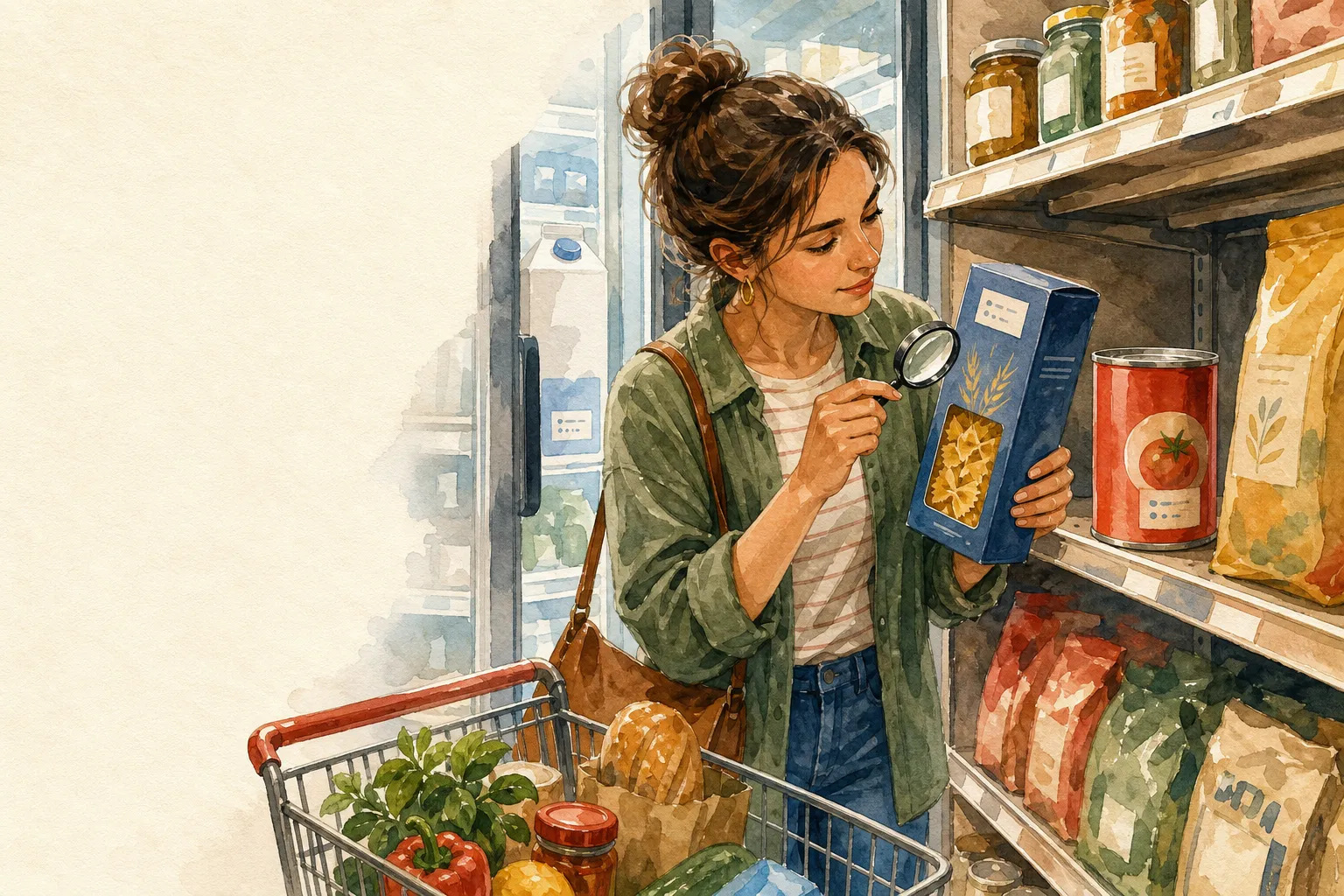
A printed date can look like a deadline, whether it is on a pantry staple, a carton in the refrigerator, or infant formula. However, it is not a sure-fire countdown clock to danger. In the United States, date labels are generally about quality, not an automatic order to throw food away nor a guarantee that a food will last that long, and there are no uniform descriptions for open dating. Except for infant formula, federal law or regulation generally does not require manufacturers to put quality-based date labels on packaged food. The decision still depends on the food, its storage history, the package, and obvious spoilage. A date is one piece of information, not a substitute for keeping food cold or noticing that it has changed.
Best-by or best if used by
FDA supports “Best if Used By” as a standard phrase indicating when a product will be at its best flavor and quality. After that date, a food may change in flavor, color, texture, or consistency without automatically becoming unsafe if it was stored as directed. A dry packaged food may lose crispness, or a canned food may no longer taste as fresh. Even then, if the package is intact and the food was stored as directed, the date alone does not prove that it is dangerous. The manufacturer may still be the best source for questions about a particular product.
Sell-by
A “Sell-By” date is mainly information for the store's display and inventory management. USDA describes it as the date that tells a store how long to display the product for sale. It is not, by itself, a purchase or safety date. That does not excuse unsafe storage: a refrigerated item held at an unsafe temperature, or food with obvious spoilage, should be discarded regardless of what the printed date says. A date label does not make improperly stored food safe.
Use-by
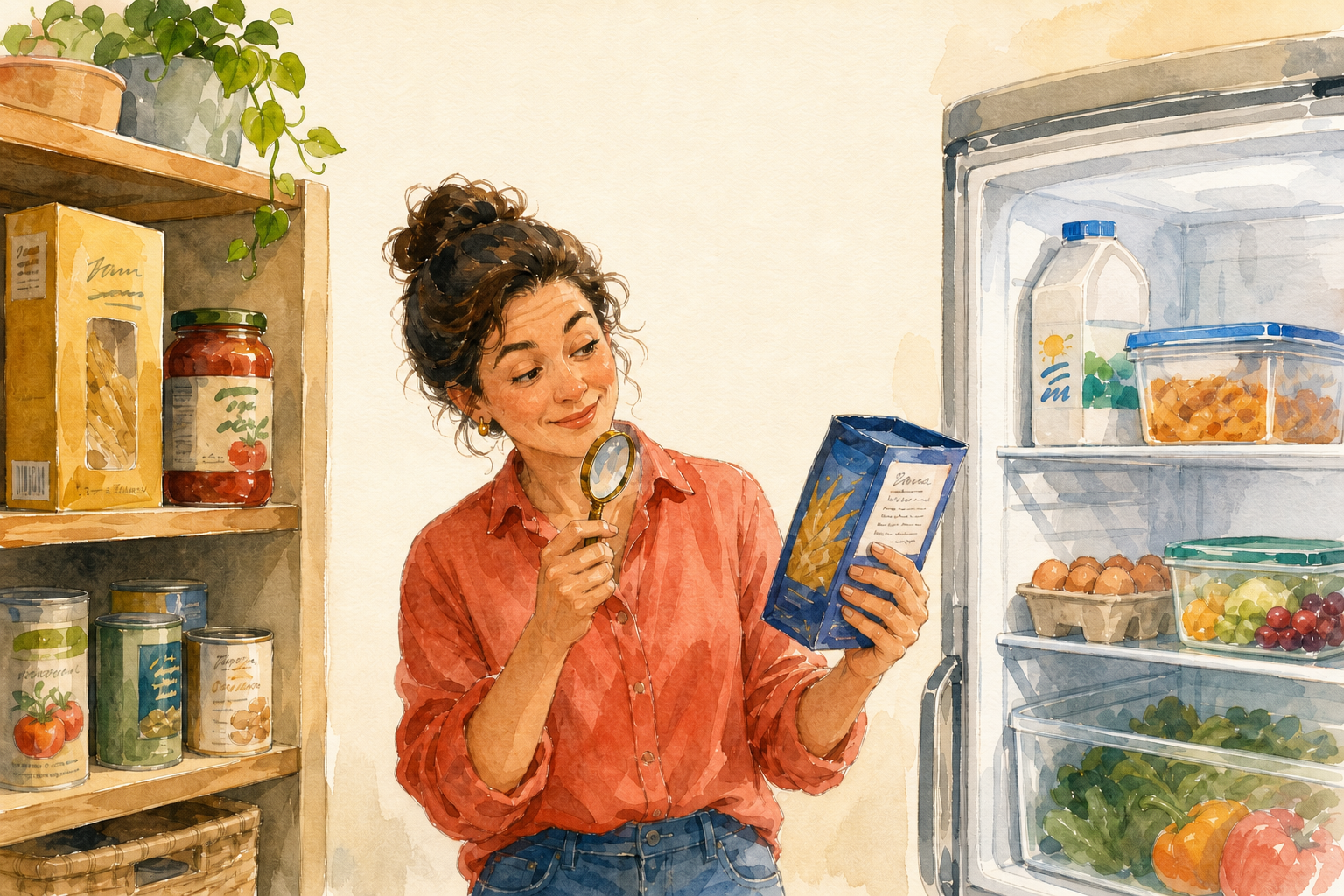
For most packaged foods, USDA describes a “Use-By” date as the last date recommended for use while the product is at peak quality. That makes it generally a quality date rather than a safety date, though the package's handling instructions still matter. FDA likewise says a use-by date can indicate the manufacturer's recommendation for best flavor or quality, and that the food may remain wholesome after the date if it was stored properly.
Infant formula is the important exception. FDA says the use-by date is the date through which the manufacturer guarantees the formula's nutrient content and quality. Formula should not be fed to infants after that date, and federal regulations require the date on each container.
What should you do after a date passes?
Start with storage, not the calendar. Consider whether the package was opened or whether it has been sitting in a warm car, on a counter, or in a refrigerator that is too warm. Improperly stored food lasts hours, not days or weeks. Also, moving food from bad storage to good doesn't take away the effects of the previous improper storage. Time in unsafe temperatures allows pathogens to multiply and refrigeration doesn't kill them, it merely slows the process down. So if you leave milk sitting on your counter for an hour or two before putting it in the fridge, you've given microbial growth a head-start and it won't last as long as if you had put it right in.
Next, check the package and the food. FDA says consumers should examine foods past the best-if-used-by date for spoilage; if a product has changed noticeably in color, consistency, or texture, consumers may want to avoid eating it. Cans showing swelling, leakage, punctures, holes, fractures, extensive deep rusting, or crushing or denting severe enough to prevent normal stacking or opening with a manual, wheel-type can opener should not be used. Newly purchased leaking cans should be returned to the store for a refund or exchange; otherwise, throw them away. Remember: when in doubt, throw it out.
Even if the food has a normal smell and appearance, that doesn't automatically mean you're in the clear. FDA warns the food can make you sick even when it doesn't look, smell, or taste spoiled. You should consider the nature of the food as well as its past. For refrigerated perishables, follow time and temperature guidance as well as the package date. A jar of unopened shelf-stable sauce, a carton of milk, and a cooked leftover do not have the same handling history. If the label gives a stricter instruction, follow it. If a refrigerated perishable was clearly mishandled or its storage history is unsafe, discard it. For an unclear product, check the label or ask the manufacturer rather than treating every unknown as the same category.
Why the same date can lead to different decisions
The package itself changes the question: an unopened shelf-stable product may be mainly a quality decision after its date, while a refrigerated item depends heavily on whether it stayed cold. An opened package has another variable: each time it is opened, food can be exposed to air, moisture, hands, and kitchen surfaces. The printed date does not tell you how long an opened food has remained safe. Read the date alongside the storage directions and the food's condition. FDA recommends keeping the refrigerator at 40°F or below and storing refrigerated foods in covered containers or sealed bags. If the package says “keep refrigerated,” treat that as an instruction, not a suggestion. When a date, storage history, and sensory signs point in different directions, do not let the date override obvious damage or unsafe handling.
Read the date in context
Best-by, sell-by, and use-by dates are not interchangeable, and none of them should be read without context. Best-by usually signals peak quality, while Sell-by helps retailers manage stock. Use-by is often a quality recommendation, with infant formula as the important safety-related exception. Keep food properly stored, pay attention to spoilage, and contact the manufacturer when the label is unclear.