
Food allergen management is critical for protecting customers with food allergies and avoiding potentially life-threatening allergic reactions. This comprehensive guide covers allergen identification, cross-contact prevention, labeling requirements, staff training, and best practices for managing allergens in food service operations.
Effective food allergen management not only ensures compliance with safety regulations but also enhances customer trust and satisfaction. Establishing a robust food allergen management plan is essential for every food service operation.
Understanding Food Allergies
A food allergy is an abnormal immune response to a food protein. When someone with a food allergy consumes the allergen, their immune system mistakenly identifies the protein as harmful and produces antibodies (IgE) that trigger the release of histamine and other chemicals, causing allergic symptoms. Symptoms can range from mild (itching, hives) to severe (anaphylaxis, which can be fatal).
Understanding the critical role of food allergen management is vital, as it helps in minimizing risks associated with food allergies.
Food allergies affect approximately 32 million Americans, including 1 in 13 children. The prevalence of food allergies has increased significantly over the past 20 years. Unlike food intolerances (which are uncomfortable but not life-threatening), food allergies can cause severe reactions from exposure to even trace amounts of the allergen.
These allergens are crucial to recognize in any food allergen management strategy.
The Big 9 Major Food Allergens
Knowledge of these allergens is a cornerstone of effective food allergen management.
Implementing food allergen management practices can help reduce the likelihood of allergens contaminating safe foods.
The FDA identifies nine major food allergens that account for over 90% of food allergic reactions in the United States. The FASTER Act added sesame as the 9th major allergen effective January 1, 2023.
Milk
Milk allergy is most common in young children and is often outgrown by age 5. Milk proteins (casein and whey) are found in obvious sources like cheese, yogurt, and ice cream, but also in many processed foods, baked goods, chocolate, and as an ingredient in non-dairy products. Watch for ingredients like butter, buttermilk, cream, curds, ghee, lactose, and whey.
Fish allergy is a significant consideration within food allergen management as it can trigger severe reactions.
Addressing shellfish in food allergen management is crucial for safeguarding allergic customers.
Eggs
Tree nuts also pose a significant risk that must be managed effectively through food allergen management systems.
Egg allergy is common in children and often resolves by adolescence. Egg proteins are found in baked goods, pasta, mayonnaise, many sauces, and are used as binders in many products. Watch for ingredients like albumin, globulin, lecithin, livetin, lysozyme, meringue, and words starting with “ova” or “ovo.”
Understanding peanuts is a key aspect of food allergen management, as they are prevalent in many cuisines.
Wheat allergy management is also important in any comprehensive food allergen management protocol.
Fish
Implementing a food allergen management policy helps in identifying potential allergenic foods.
Fish allergy usually persists throughout life. Includes finned fish like bass, cod, flounder, and salmon. Fish proteins can be found in Caesar salad dressing, Worcestershire sauce, fish sauce, and some barbecue sauces. Cross-contact commonly occurs on shared grills and fryers.
Consideration of sesame allergies is an emerging trend in food allergen management.
Crustacean Shellfish
Preventing cross-contact is a fundamental principle of food allergen management.
Includes shrimp, crab, lobster, and crawfish. Shellfish allergy typically persists throughout life and reactions are often severe. Shellfish proteins may be found in bouillabaisse, seafood flavoring, surimi, and some Asian dishes. Cross-contact frequently occurs in seafood restaurants and on shared cooking equipment.
Tree Nuts
Dedicated equipment plays a crucial role in maintaining effective food allergen management.
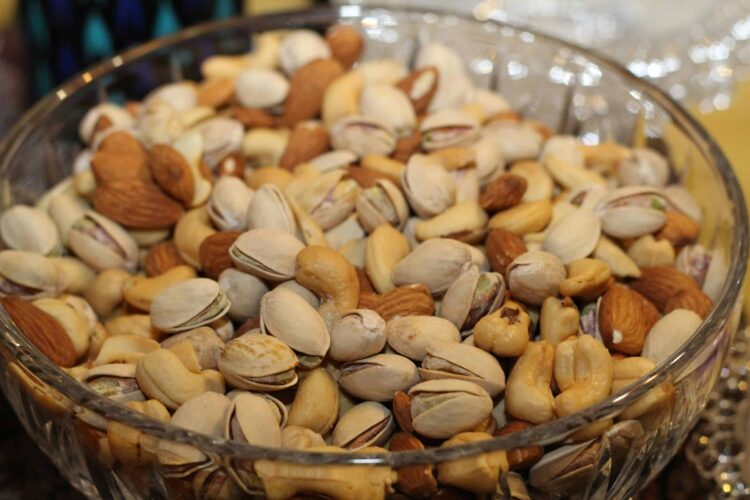
Includes almonds, cashews, walnuts, pecans, pistachios, macadamia nuts, and others. Tree nut allergies are usually lifelong and reactions can be severe. Tree nuts appear in baked goods, candy, ice cream, pesto, nut butters, and many ethnic cuisines. Natural and artificial flavoring may contain tree nut proteins. Cross-contact is common in bakeries and ice cream shops.
Thorough cleaning procedures are vital components of any food allergen management plan.
Creating separate preparation areas is essential to support food allergen management efforts.
Peanuts
Frequent training on food allergen management is necessary to keep staff informed.
Despite the name, peanuts are legumes, not true nuts. Peanut allergy is one of the most common and most severe food allergies. Peanuts are found in baked goods, candy, Asian cuisine, African cuisine, Mexican cuisine, and many sauces. Peanut oil (crude) contains peanut protein, while highly refined peanut oil may not trigger reactions in some individuals. Cross-contact is extremely common in facilities that process peanut products.
Wheat
Wheat allergy is common in children and often outgrown. Different from celiac disease (which is an autoimmune disorder) and gluten sensitivity. Wheat is found in bread, pasta, cereals, baked goods, crackers, beer, and many processed foods as a thickener or filler. Watch for ingredients like bulgur, couscous, durum, einkorn, emmer, farina, farro, kamut, matzoh, semolina, spelt, and triticale.

Soybeans
Soy allergy is common in infants and young children and often outgrown. Soy is found in many processed foods as soy protein, soy lecithin, soy sauce, tofu, tempeh, miso, and edamame. Watch for ingredients like hydrolyzed vegetable protein (HVP), textured vegetable protein (TVP), and many Asian sauces and seasonings.
Effective food allergen management practices can minimize risks associated with allergen exposures.
Sesame
During a reaction, having a sound food allergen management strategy can save lives.
Sesame became the 9th major allergen in 2023. Sesame allergy appears to be increasing in prevalence. Sesame is found in tahini, hummus, baked goods, crackers, bread, breadsticks, hamburger buns, and many Middle Eastern and Asian dishes. Watch for ingredients like benne, gingelly oil, sesamol, sesamolina, and til.
Labeling menu items clearly is a vital part of food allergen management protocols.
Preventing Allergen Cross-Contact
Cross-contact occurs when an allergen is inadvertently transferred from food containing an allergen to a food that does not contain the allergen. Even tiny amounts (milligrams) can trigger severe reactions in sensitized individuals. Preventing cross-contact requires dedicated procedures, equipment, and vigilance.
Dedicated Equipment and Utensils
Use separate cutting boards, knives, pans, fryers, and other equipment for allergen-free food preparation. Color-code equipment to prevent mix-ups. If dedicated equipment isn’t feasible, prepare allergen-free items first before allergen-containing items. Never use the same oil for cooking allergen-containing and allergen-free foods.
Thorough Cleaning Procedures
Wash all surfaces, equipment, and utensils with hot, soapy water between uses. Regular cleaning and sanitizing does not remove allergens—only thorough washing with soap and water removes allergen proteins. Pay special attention to hard-to-clean areas like knife handles, cutting board grooves, and equipment crevices where food particles can accumulate.
Separate Preparation Areas
Designate specific areas for allergen-free food preparation when possible. Prepare allergen-free items away from areas where allergens are being used. Be mindful of airborne allergen transfer, especially with flour dust and spray cooking oils containing allergens.
Frequently Asked Questions
What’s the difference between a food allergy and food intolerance?
A food allergy involves the immune system and can be life-threatening. Even tiny amounts can trigger reactions. Food intolerance involves the digestive system and is generally not life-threatening, though it can be very uncomfortable. Lactose intolerance, for example, causes digestive symptoms but not immune responses. People with food allergies need complete avoidance, while those with intolerances may tolerate small amounts.
Can cooking eliminate allergens?
No. Unlike bacteria, allergen proteins are generally not destroyed by cooking, freezing, or other food processing methods. Some studies suggest that extensive heating may reduce allergenicity of certain foods (like baked milk or egg for some individuals), but this is specific to certain allergens and individuals and should never be assumed. Always treat allergen-containing ingredients as allergenic regardless of cooking method.
Do I have to accommodate customer allergen requests?
While not legally required in most jurisdictions, accommodating allergen requests is both a food safety best practice and a customer service imperative. Food service operations have a responsibility to provide accurate allergen information and avoid cross-contact when preparing allergen-free meals. Failure to properly manage allergens can result in serious customer harm, lawsuits, negative publicity, and loss of business. Many operators find that excellent allergen management attracts loyal customers.
What should I do if a customer has an allergic reaction?
Call 911 immediately for any suspected allergic reaction. Severe reactions (anaphylaxis) can be fatal within minutes. Signs include difficulty breathing, swelling of tongue or throat, rapid pulse, dizziness, and loss of consciousness. If the customer has an epinephrine auto-injector (EpiPen), help them use it immediately. Stay with the customer until emergency responders arrive. Document the incident including what the customer ate, symptoms observed, and actions taken. Review procedures to identify how the allergen exposure occurred and implement corrective actions to prevent recurrence.
How should I label menu items for allergens?
Clearly identify allergen-containing menu items. Options include listing major allergens after each menu item, using symbols or icons, providing a separate allergen menu, or maintaining an allergen information book at the host stand. Update allergen information whenever recipes or suppliers change. Train staff to never guess about allergen content—when in doubt, check with the kitchen manager or chef. Some operations find success with simple statements like “Contains: milk, eggs, wheat” after menu descriptions.
Conclusion
Food allergen management requires comprehensive procedures, staff training, and constant vigilance. The consequences of allergen mismanagement can be severe—both for customers who suffer allergic reactions and for businesses facing legal liability and reputation damage. By implementing the strategies in this guide, food allergen management can be ensured while building loyalty and trust.
Get comprehensive food allergen management training at FenixFoodSafety.com. Our ANAB Accredited course cover allergen identification, cross-contact prevention, staff training strategies, and regulatory compliance to help you protect customers with food allergies.
Useful Links
Ultimate Food Handler Certificate Guide [2025]
Temperature Control for Food Safety: Complete Guide [2025]
Cross-Contamination Prevention: Complete Guide [2025]
Ultimate HACCP Implementation Guide [2025]
Food Handler Training Guide: Complete Beginner’s Guide to Getting Your Food Handler Card (2025)

