
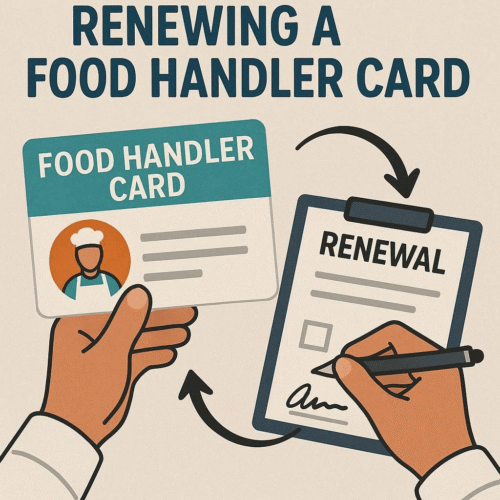

Maintaining current a food handler certificates is essential for food service compliance, but navigating the renewal process can be complex. This comprehensive food handler renewal guide covers everything you need to know about renewing your food safety certification, from understanding expiration timelines to choosing the right renewal training provider.
What is Food Handler Renewal?
Food handler renewal is the process of updating your food safety certification before it expires to maintain compliance with local health regulations. This food handler renewal guide will help you understand that most certifications require renewal every 2 to 3 years, though requirements vary by jurisdiction.
Unlike some professional certifications, food handler renewal typically requires complete retraining rather than just continuing education credits. This ensures all food service workers maintain current knowledge of evolving food safety standards and regulations.
Key Components of Food Handler Renewal:
- Complete training course covering all required topics
- Passing a certification exam (usually 70-80% minimum score)
- Receiving updated certification documentation
- Filing new certificates with employers and regulatory agencies
Food Handler Renewal Timeline by State
Understanding your specific renewal requirements is crucial for this food handler renewal guide. Different states have varying renewal periods and requirements:
Common Renewal Periods:
- California: 3 years from issue date
- Texas: 2 years from completion
- Florida: 3 years from certification
- New York: 3 years (varies by county)
- Illinois: 3 years from issue date
- Nevada: 3 years from completion
Some jurisdictions have unique requirements that affect your food handler renewal timeline. For example, certain counties may require annual renewals or have specific training hour minimums. Always verify requirements with your local health department to ensure compliance.
When to Start Your Food Handler Renewal Process
This guide recommends starting the renewal process well before your certificate expires:
Optimal Renewall Timeline:
- 90 days before expiration: Review current certificate and verify renewal requirements
- 60 days before expiration: Research training providers and enrollment options
- 45 days before expiration: Enroll in renewal training program
- 30 days before expiration: Complete training and pass certification exam
- 2 weeks before expiration: Receive and file new certificates
Starting your food handler renewal early provides several advantages:
- Flexibility to complete training during slower work periods
- Time to retake exams if needed
- Opportunity to take advantage of early renewal discounts
- Reduced stress and compliance risk
At FenixFoodSafety.com, we send automatic renewal reminders to help you stay ahead of expiration dates and maintain continuous compliance.
Renewal Requirements and Content
Most jurisdictions require the same comprehensive training for card renewalsl as initial certification. This food handler renewal guide emphasizes that renewal training typically covers:
Core Food Safety Topics:
- Personal hygiene and proper handwashing techniques
- Temperature control and monitoring procedures
- Cross-contamination prevention strategies
- Cleaning and sanitizing protocols
- Allergen awareness and management
- Foodborne illness prevention
The FDA Food Code provides the foundation for these requirements, ensuring consistent standards across food handler programs nationwide.
Training Duration:
Food handler training typically requires 2-4 hours to complete, similar to initial certification. Online programs offer the flexibility to complete training in multiple sessions, making it easier to fit renewal into busy work schedules.
Step-by-Step Food Handler Renewal Process
This food handler renewal guide breaks down the renewal process into manageable steps:
Step 1: Assess Current Certification Status
Before beginning food handler renewal:
- Locate current certificates for all employees
- Verify expiration dates and renewal deadlines
- Check for any changes in local requirements since last certification
- Identify employees requiring immediate renewal attention
Step 2: Select an Approved Training Provider
Choose a reputable provider that meets your jurisdiction’s food handler requirements:
- Accreditation status: Ensure provider is approved by relevant health authorities
- Course quality: Look for interactive, engaging content that improves retention
- Flexibility: Online programs offer convenient scheduling for busy food service operations
- Support: Reliable customer service for technical issues or questions
- Pricing: Competitive rates with potential bulk discounts for multiple employees
Step 3: Complete Food Handler Renewal Training
Individual Renewal Process:
- Enroll in appropriate course for your location
- Complete all required training modules
- Take practice quizzes to prepare for final exam
- Pass certification exam with required minimum score
Group Renewal Management:
- Coordinate enrollment for multiple employees
- Track progress through management dashboards
- Ensure all team members complete training before expiration
- Maintain organized records for compliance documentation
Step 4: Receive and Manage New Certificates
- Download digital certificates immediately upon completion
- Order physical certificates if required by local regulations
- Update employee files with new certification information
- Properly dispose of expired certificates
Managing Food Handler Renewal for Multiple Employees
Effective food handler renewal management requires systematic tracking and coordination:
Renewal Tracking Systems
Digital Management Platforms:
Many training providers offer management dashboards that automatically track employee certifications and send food handler renewal reminders.
Spreadsheet Tracking:
Create comprehensive tracking systems including:
- Employee names and job positions
- Current certificate numbers and issue dates
- Expiration dates and renewal status
- Training completion dates and new certificate numbers
Calendar Integration:
Set up recurring reminders for each employee’s food handler renewal date, with alerts at multiple intervals before expiration.
Staggered Renewal Strategies
Rather than renewing all employees simultaneously, consider staggering food handler renewal to:
- Distribute training costs across multiple budget periods
- Minimize operational disruption during training
- Ensure continuous staffing coverage
- Take advantage of seasonal pricing or promotional offers
Renewal Costs and Budgeting
Understanding the financial aspects of food handler renewal helps with effective budgeting:
Typical Renewal Costs:
- Individual renewal: $10-$35 per person
- Bulk renewal discounts: 15-25% savings for multiple employees
- Rush processing fees: $5-$15 for expedited service
- Physical certificate shipping: $3-$10 per certificate
Annual Budgeting Strategy:
Calculate total annual food handler costs by dividing your workforce by the renewal period length. For example, with 30 employees and 3-year certificates, budget for 10 renewals annually.
Cost-Saving Tips:
- Enroll multiple employees simultaneously for bulk discounts
- Start renewal process early to avoid rush fees
- Choose providers offering competitive renewal pricing
- Consider digital certificates to eliminate shipping costs
State-Specific Food Handler Renewal Requirements
California Food Handler Renewal
California’s food handler renewal requirements mandate complete retraining every 3 years through ANSI-accredited providers. There are no abbreviated renewal options available.
California Renewal Specifics:
- Minimum 2-hour training requirement
- Must use approved training providers
- Immediate compliance required upon expiration
- Full topic coverage identical to initial certification
Texas Food Handler Renewal
Texas requires food handler card renewal every 2 years, making tracking particularly important for compliance management.
Texas Renewal Requirements:
- Complete 2-hour training program
- Pass certification exam with 70% minimum score
- Use state-approved training providers only
- Maintain certificate records for health department inspections
Consequences of Expired Food Handler Certifications
This food handler renewal guide emphasizes the serious consequences of allowing certifications to expire:
Regulatory Penalties
Operating with expired certifications can result in:
- Health department violations and monetary fines
- Temporary closure orders until compliance is restored
- Increased inspection frequency and regulatory scrutiny
- Legal liability in foodborne illness incidents
Business Impact
Beyond regulatory consequences, expired certifications cause:
- Insurance coverage issues and potential claim denials
- Customer confidence problems if violations become public
- Employee scheduling disruptions while addressing compliance gaps
- Reputation damage from publicized health department violations
According to the CDC, proper food handler training significantly reduces foodborne illness risks, making timely renewal essential for public health protection.
Best Practices for Successful Food Handler Renewal
Proactive Planning Strategies
- Maintain comprehensive renewal calendars with all employee expiration dates
- Set multiple reminder alerts at 90, 60, and 30 days before expiration
- Budget annually for renewal costs based on workforce size and renewal cycles
- Establish partnerships with reliable, accredited training providers
Documentation Management
- Keep digital copies of all certificates in secure cloud storage
- Maintain organized physical files as required by local regulations
- Track completion dates and certificate numbers systematically
- Prepare inspection-ready records with easily accessible documentation
Employee Communication
- Educate staff about food handler renewal requirements and importance
- Provide advance notice of upcoming renewal deadlines
- Offer flexible scheduling for renewal training completion
- Recognize timely completion to encourage proactive compliance
Choosing the Right Food Handler Renewal Provider
When selecting a provider for food handler renewal, this guide recommends prioritizing:
Regulatory Compliance:
Ensure the provider meets all local and state requirements for food handler renewal training and maintains proper accreditation.
Quality and Convenience:
Look for comprehensive, engaging content that can be completed flexibly around work schedules with mobile-friendly platforms.
Support and Service:
Choose providers offering reliable customer support, efficient certificate processing, and helpful renewal reminders.
Value and Pricing:
Consider total costs including hidden fees, renewal discounts, bulk pricing options, and certificate delivery methods.
At FenixFoodSafety.com, we specialize in streamlined food handler renewal with comprehensive online training that meets all regulatory requirements while offering competitive pricing, immediate certificate processing, and dedicated customer support.
Conclusion
This food handler renewal guide demonstrates that successful certification renewal requires proactive planning, systematic tracking, and reliable training providers. By understanding renewal timelines, requirements, and best practices, you can ensure continuous compliance without operational disruptions or regulatory penalties.
The key to effective food handler renewal management is starting early, implementing robust tracking systems, and partnering with reputable training providers. With proper planning, food handler renewal becomes a routine compliance process rather than a stressful last-minute crisis.
Ready to simplify your food handler renewal process? Explore our renewal training programs at FenixFoodSafety.com, where we make compliance straightforward with flexible online training, immediate certification, and comprehensive support for businesses of all sizes.
For personalized assistance with group renewals or questions about specific requirements in your jurisdiction, contact our expert team today. We’re committed to helping you maintain seamless food safety compliance through efficient, reliable food handler renewal solutions.
