
Cross-contamination is one of the leading causes of foodborne illness outbreaks in food service establishments. This comprehensive guide covers the types of cross-contamination prevention strategies, proper sanitation procedures, and best practices for maintaining a safe food preparation environment.
Implementing effective cross-contamination prevention measures is crucial in any food service establishment to ensure safety.
Understanding Cross-Contamination
Cross-contamination occurs when harmful bacteria, viruses, allergens, or other contaminants transfer from one food, surface, or person to another. This transfer can happen through direct contact (food-to-food), indirect contact (through contaminated surfaces, equipment, or hands), or airborne particles. Understanding how contamination spreads is the first step in preventing it.
Pathogenic bacteria like Salmonella, E. coli O157:H7, Campylobacter, and Listeria are commonly involved in cross-contamination incidents. These bacteria cannot be seen, smelled, or tasted, making prevention strategies critical since contamination isn’t detectable by human senses.
Types of Cross-Contamination
Food-to-Food Cross-Contamination
Direct contact between raw and ready-to-eat foods is the most dangerous type of cross-contamination. This occurs when raw meat juices drip onto prepared salads, when the same tongs touch raw and cooked foods, or when raw vegetables are placed on surfaces previously used for raw meat without proper cleaning. Preventing food-to-food contamination requires strict separation of raw and ready-to-eat foods throughout receiving, storage, preparation, and cooking.
Equipment-to-Food Cross-Contamination
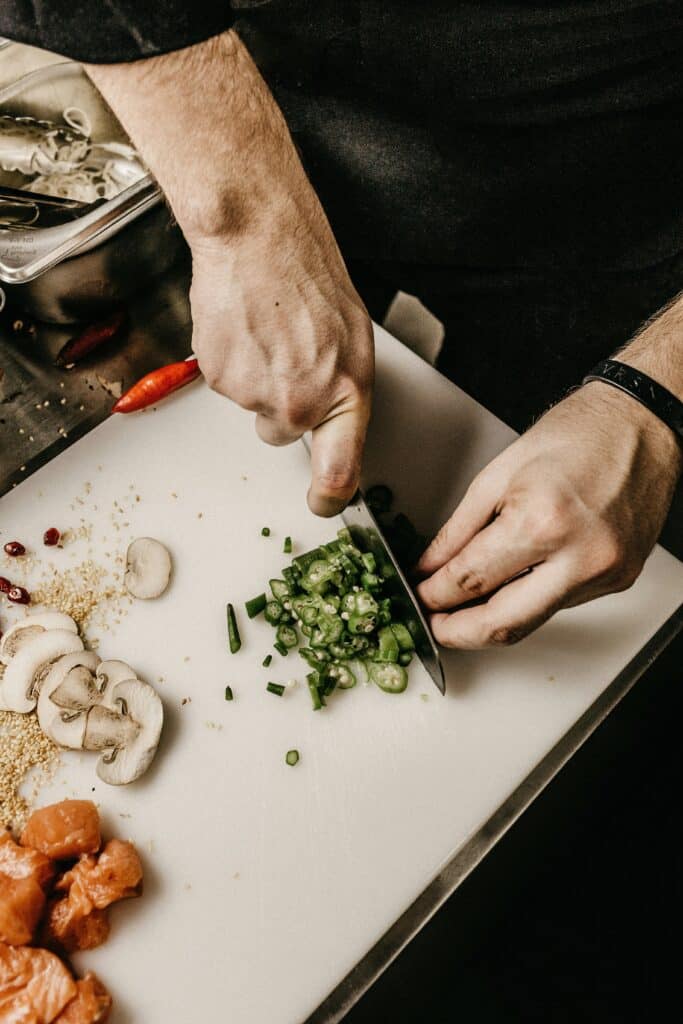
Cutting boards, knives, slicers, mixers, and other food contact surfaces can transfer contamination if not properly cleaned and sanitized between uses. Using the same cutting board for raw chicken and then for salad ingredients without washing and sanitizing is a classic example. Food particles left on equipment can harbor bacteria that multiply to dangerous levels, especially if equipment isn’t cleaned for several hours.
Hand-to-Food Cross-Contamination
Employees hands are major vectors for cross-contamination. Touching raw meat and then touching ready-to-eat foods without washing hands, working while sick, touching hair or face and then touching food, and improper glove use all contribute to hand-to-food contamination. Proper handwashing at appropriate times and no-bare-hand contact with ready-to-eat foods are critical controls.
Proper Handwashing Procedures
Handwashing is the single most important defense against cross-contamination. Proper handwashing requires: wet hands with clean, warm running water (at least 100°F), apply soap and lather for at least 20 seconds (including backs of hands, between fingers, and under nails), rinse thoroughly under clean running water, and dry with single-use paper towels or hand dryer. The entire process should take 40-60 seconds.
Understanding the importance of cross-contamination prevention can lead to better food safety outcomes.
Wash hands before starting work, after using the restroom, after touching raw meat/poultry/seafood, after handling dirty dishes or garbage, after touching body parts (face, hair, nose), after coughing or sneezing, after eating or drinking, and after any other activity that could contaminate hands. Hand sanitizers can supplement but never replace handwashing.
Frequently Asked Questions
What is the most common cause of cross-contamination?
Improper handwashing and hand contact with ready-to-eat foods is the most common cause of cross-contamination. Many foodborne illness outbreaks are traced to infected food handlers who didn’t wash hands properly or worked while sick. Using the same cutting boards and utensils for raw and ready-to-eat foods without proper cleaning is the second most common cause.
Cross-contamination prevention techniques include maintaining cleanliness and proper food storage.
To enhance cross-contamination prevention, use designated equipment for different types of food.
How do I prevent cross-contamination in my kitchen?
Implement these key practices: wash hands frequently and properly, use separate cutting boards and utensils for raw and ready-to-eat foods (color-coded systems help), clean and sanitize all food contact surfaces between uses, store raw meat below ready-to-eat foods in refrigerators, never touch ready-to-eat foods with bare hands, and train all employees on cross-contamination prevention.
Incorporating training on cross-contamination prevention into staff education is essential.
Can I use the same cutting board for vegetables and meat?
Effective handwashing is a key element of cross-contamination prevention in food preparation.
Regular handwashing reinforces cross-contamination prevention efforts in the kitchen.
Not without proper cleaning and sanitizing between uses. The safest practice is to use dedicated cutting boards for different food types: one for raw meat, one for raw poultry, one for seafood, and separate boards for ready-to-eat foods like vegetables and bread. If you must use the same board, thoroughly wash with hot soapy water and sanitize with an approved sanitizer before switching food types. Color-coded cutting boards make this system easier to follow.
Common questions about cross-contamination prevention can lead to better understanding and practices.
How should I store food to prevent cross-contamination?
Store foods in refrigerators from top to bottom in this order: ready-to-eat foods and prepared dishes on top shelves, seafood below ready-to-eat foods, whole cuts of beef and pork below seafood, ground meats below whole cuts, and raw poultry on the lowest shelf. This prevents drips from raw foods contaminating ready-to-eat items. All foods should be in covered containers or tightly wrapped.
Implementing proper protocols enhances cross-contamination prevention in every culinary setting.
Do I need to wash fruits and vegetables?
Using specific boards for different food types is a best practice for cross-contamination prevention.
Yes, all fruits and vegetables should be thoroughly washed under clean running water before cutting, cooking, or serving, even if you plan to peel them. Bacteria on the outer surface can be transferred to the flesh when cutting. Use a clean brush for firm produce like melons and cucumbers. Don’t use soap or produce washes—plain clean water is sufficient and safer. Wash even pre-washed bagged salads as an extra precaution.
Proper storage methods are a vital component of cross-contamination prevention strategies.
Conclusion
Washing fruits and vegetables thoroughly contributes to effective cross-contamination prevention.
Preventing cross-contamination requires constant vigilance and adherence to proper food safety procedures. By implementing the strategies covered in this guide—proper handwashing, equipment sanitization, food separation, and employee training—food service operations can significantly reduce the risk of foodborne illness. Cross-contamination prevention is not optional; it’s an essential component of responsible food service operation.
Overall, understanding cross-contamination prevention will enhance food safety protocols.
Join us in our commitment to cross-contamination prevention by accessing our training resources.
Get comprehensive training on cross-contamination prevention at FenixFoodSafety.com. Our ANSI-accredited a food handler certificate covers all aspects of preventing cross-contamination with practical procedures you can implement immediately in your operation.
Useful Links
Ultimate Food Handler Certificate Guide [2025]
Temperature Control for Food Safety: Complete Guide [2025]
Complete HACCP Implementation Guide [2025]
Food Allergen Management: Complete Guide [2025]
Food Handler Training Guide: Complete Beginner’s Guide to Getting Your Food Handler Card (2025)