
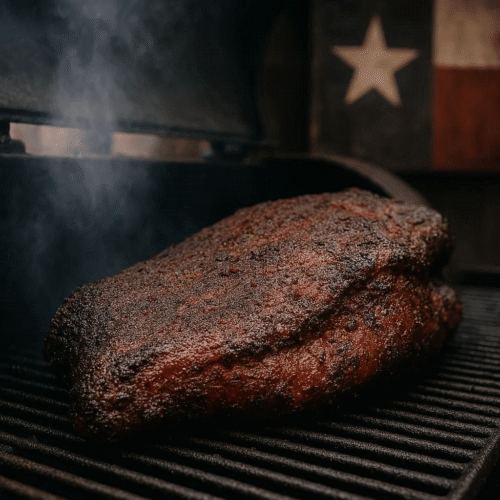

Texas BBQ food safety is critical. Texas BBQ is more than just a cooking method—it’s a cultural institution that brings families and communities together around smoky, flavorful meats. However, the low-and-slow cooking methods that make Texas BBQ legendary also present unique food safety challenges that pitmasters and backyard enthusiasts must understand to protect their guests from foodborne illness.
Understanding the Risks: Why Texas BBQ Food Safety Matters
According to the Centers for Disease Control and Prevention (CDC), foodborne illnesses affect approximately 48 million Americans annually, with improper cooking temperatures and cross-contamination being leading causes¹. The extended cooking times and temperature management required for authentic Texas BBQ create specific risk factors that demand careful attention.
The USDA Food Safety and Inspection Service emphasizes that barbecuing requires particular vigilance because the cooking process often involves multiple temperature zones and extended exposure times that can allow harmful bacteria to multiply if not properly managed².
Temperature Control: The Foundation of Safe BBQ
Safe Internal Temperatures
The USDA establishes clear minimum internal temperature requirements for different meats commonly used in Texas BBQ³:
- Beef brisket and other whole cuts: 145°F with a 3-minute rest period
- Pork shoulder and ribs: 145°F with a 3-minute rest period
- Ground meats: 160°F
- Poultry (if smoking chicken or turkey): 165°F
However, Texas BBQ traditionally cooks meats to much higher internal temperatures—brisket often reaches 195-205°F for optimal tenderness. This extended cooking actually provides an additional safety margin when done correctly.
Smoker Temperature Management
The FDA Food Code recommends maintaining cooking temperatures that ensure food safety while achieving desired results⁴. For Texas BBQ:
- Maintain smoker temperatures between 225-250°F
- Use calibrated thermometers to monitor both ambient and internal meat temperatures
- Avoid the “danger zone” (40-140°F) where bacteria multiply rapidly
The Texas Heat Factor: Environmental Considerations
Texas’s hot climate presents additional challenges for BBQ food safety. The Texas Department of State Health Services notes that ambient temperatures above 90°F reduce the safe holding time for perishable foods to just one hour⁵.
Hot Weather Precautions
- Keep raw meats refrigerated until ready to cook
- Use insulated coolers with ice packs for outdoor events
- Limit time between refrigerator and smoker
- Consider starting earlier in the day when temperatures are cooler
Cross-Contamination Prevention
The CDC identifies cross-contamination as a major cause of foodborne illness during outdoor cooking events⁶. Texas BBQ operations must implement strict separation protocols:
Equipment and Utensil Management
- Use separate cutting boards for raw and cooked meats
- Sanitize all surfaces that contact raw meat
- Never use the same utensils for raw and cooked products without washing
- Wash hands thoroughly after handling raw meats
Marinade and Sauce Safety
The USDA advises never reusing marinades that have contacted raw meat unless they’re first brought to a rolling boil⁷. For Texas BBQ:
- Prepare separate portions of sauce for basting and serving
- Discard any leftover marinade that contacted raw meat
- Keep serving sauces covered and at proper temperatures
Wood Selection and Smoke Safety
While not directly a food safety issue, the EPA provides guidance on safe burning practices that apply to BBQ operations⁸. Use only:
- Hardwoods like oak, hickory, and mesquite (Texas favorites)
- Avoid treated lumber, painted wood, or materials that may contain chemicals
- Ensure proper ventilation to prevent carbon monoxide buildup
Storage and Leftover Management
The USDA’s guidelines for leftover safety are crucial for Texas BBQ, where large quantities are often prepared⁹:
Proper Storage Protocols
- Refrigerate leftovers within 2 hours (1 hour if ambient temperature exceeds 90°F)
- Store in shallow containers to promote rapid cooling
- Use refrigerated leftovers within 3-4 days
- Reheat to 165°F before serving
Special Considerations for Large Events
Texas BBQ often involves cooking for large groups. The FDA’s guidance for temporary food service applies to many BBQ events¹⁰:
- Obtain necessary permits for public events
- Ensure adequate handwashing facilities
- Maintain proper food holding temperatures
- Implement HACCP principles for large-scale operations
Conclusion
Texas BBQ’s rich traditions can be safely maintained through proper food safety practices. By following USDA temperature guidelines, preventing cross-contamination, and adapting to Texas’s challenging climate conditions, pitmasters can ensure their legendary flavors don’t come with unwanted risks.
Remember that food safety isn’t just about following rules—it’s about protecting the people who gather around your table to enjoy the fruits of your labor. When done right, safe BBQ practices become second nature, allowing you to focus on what matters most: creating memorable experiences through exceptional food.
To ensure you are serving delicious Texas BBQ that keeps people healthy take FenixFoodSafety’s Texas online food handler card course!
Sources:
- Centers for Disease Control and Prevention. “Burden of Foodborne Illness: Findings.” Available at: https://www.cdc.gov/foodborneburden/2011-foodborne-estimates.html
- USDA Food Safety and Inspection Service. “Barbecue and Food Safety.” Available at: https://www.fsis.usda.gov/food-safety/safe-food-handling-and-preparation/food-safety-basics/barbecue-food-safety
- USDA Food Safety and Inspection Service. “Safe Minimum Internal Temperature Chart.” Available at: https://www.fsis.usda.gov/food-safety/safe-food-handling-and-preparation/food-safety-basics/safe-temperature-chart
- FDA. “Food Code 2022.” Available at: https://www.fda.gov/food/fda-food-code/food-code-2022
- Texas Department of State Health Services. “Food Safety Tips for Summer.” Available at: https://www.dshs.texas.gov/news/releases/2023/20230526.aspx
- Centers for Disease Control and Prevention. “Four Steps to Food Safety.” Available at: https://www.cdc.gov/foodsafety/keep-food-safe.html
- USDA Food Safety and Inspection Service. “Marinating and Food Safety.” Available at: https://www.fsis.usda.gov/food-safety/safe-food-handling-and-preparation/food-safety-basics/marinating-food-safety
- Environmental Protection Agency. “Burn Wise: Best Burn Practices.” Available at: https://www.epa.gov/burnwise/best-burn-practices
- USDA Food Safety and Inspection Service. “Leftovers and Food Safety.” Available at: https://www.fsis.usda.gov/food-safety/safe-food-handling-and-preparation/food-safety-basics/leftovers-and-food-safety
- FDA. “Temporary Events.” Available at: https://www.fda.gov/food/fda-food-code/temporary-events
