


Tropical food safety is an immediate top consideration due to Hawaii’s unique tropical environment. It presents both opportunities and challenges for food safety. The islands’ warm, humid climate, diverse marine ecosystem, and agricultural landscape require specialized knowledge and practices to ensure safe food handling and consumption. This guide explores the key considerations for maintaining food safety standards in Hawaii’s tropical setting.
Understanding Hawaii’s Food Safety Regulatory Framework
Hawaii’s Department of Health maintains a robust food safety infrastructure to protect residents and the millions of visitors who come to the islands each year. The state’s Food Safety Branch provides essential guidance and support, with offices available Monday through Friday from 7:45 am to 4:30 pm (HST) for general food information¹.
Recent regulations for restaurants went into effect on August 24th, requiring food establishments to maintain comprehensive Food Safety Plans with specific documentation including manual front inserts and client information sheets. The regulatory framework in Hawaii reflects the unique challenges of operating in a tropical environment, where higher temperatures and humidity can accelerate bacterial growth and food spoilage.
Marine Food Safety: Hawaii’s Specialized Expertise
Leading in Seafood Safety Controls
Hawaii has established itself as a leader in developing and implementing evidence-based seafood safety controls specifically tailored to local fish species and fishing practices². This expertise is crucial given the islands’ heavy reliance on fresh seafood and the unique characteristics of Pacific fish species.
The state has implemented comprehensive fish handling standards both at sea and on shore to ensure quality and safe seafood reaches consumers. These standards are particularly important in Hawaii’s warm climate, where proper temperature control becomes even more critical for preventing bacterial growth and maintaining seafood quality.
Histamine Formation Risks
One of the most significant marine food safety concerns in Hawaii involves histamine formation in certain fish species. Many important Hawaii fish species are potential histamine-formers, including mahimahi, tuna (bigeye, yellowfin, albacore, and skipjack), and other related species³.
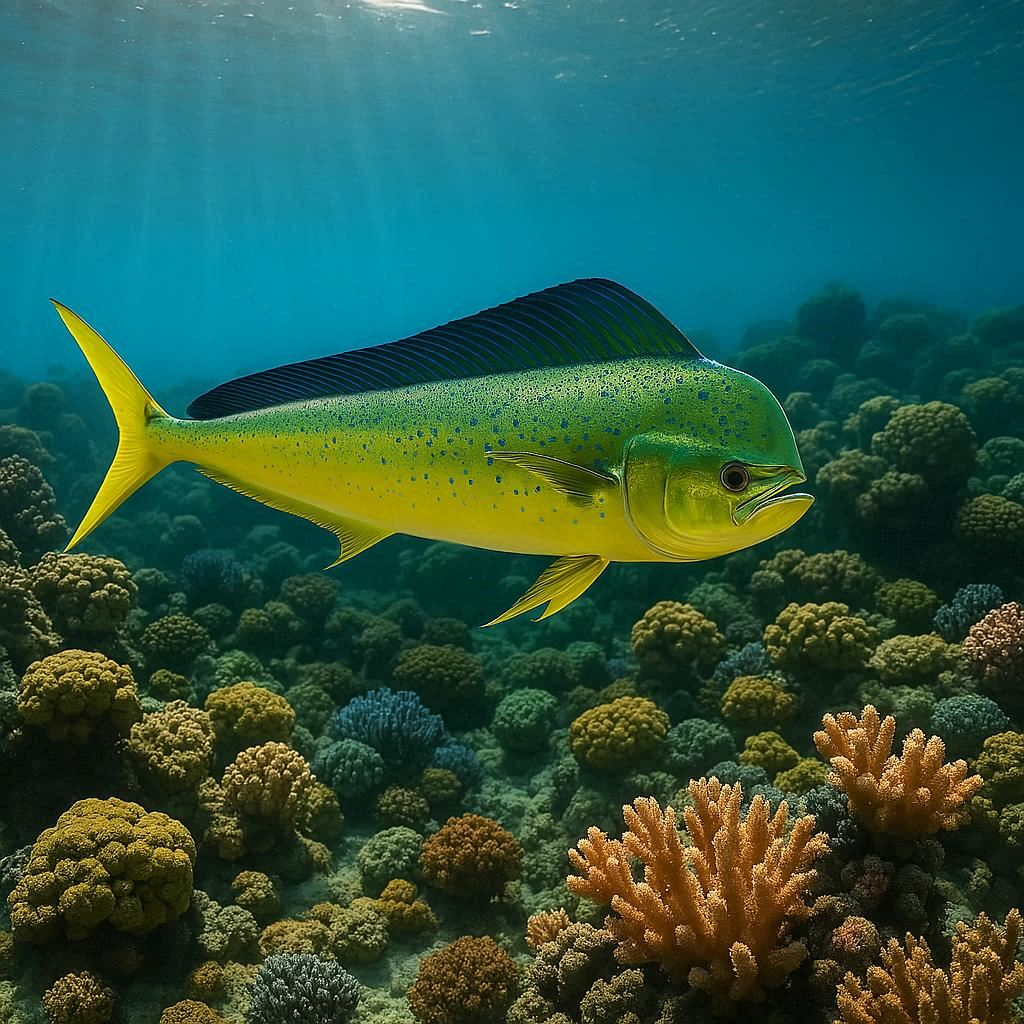
Histamine poisoning, also known as scombrotoxin poisoning, occurs when certain fish are not properly refrigerated after being caught. In Hawaii’s warm tropical environment, the risk is heightened because bacteria that produce histamine multiply rapidly at temperatures above 40°F (4°C). This makes immediate and consistent refrigeration absolutely critical from the moment fish are caught until they reach the consumer.
Reef Fish Safety Considerations
Hawaii faces unique challenges with reef fish consumption. Certain fish should be avoided due to hallucinogenic reef fish poisoning, though mullet and weke are considered safe food fish in Hawaii⁴. This highlights the importance of understanding local marine food safety risks and proper species identification.
Food service establishments must ensure their staff can properly identify safe local fish species and understand the specific risks associated with different types of Hawaiian marine life. Training should include recognition of symptoms related to various types of fish poisoning and proper sourcing from reputable suppliers.
HACCP Implementation for Seafood
Hawaii follows FDA mandatory Seafood HACCP (Hazard Analysis and Critical Control Points) regulations, with specialized training courses designed to meet these requirements⁵. The HACCP system is particularly important in tropical environments where critical control points must account for higher ambient temperatures and humidity levels that can accelerate spoilage and bacterial growth.
Tropical Climate-Specific Food Safety Concerns
Egg Safety in Humid Conditions
One particular concern in Hawaii’s tropical environment is egg safety. Food safety guidelines specifically recommend avoiding recipes that do not require cooking of eggs, yolks, or whites⁶. This is likely due to increased risk of bacterial contamination in warm, humid conditions where Salmonella can multiply more rapidly.
The tropical climate creates conditions where eggs may experience temperature fluctuations during transport and storage, increasing the risk of bacterial penetration through the shell. Food service operations should implement enhanced egg handling protocols, including more frequent temperature checks and shorter storage periods.
Temperature and Humidity Control Challenges
Hawaii’s consistently warm temperatures and high humidity create an environment where bacteria, molds, and other pathogens can multiply rapidly. Food service establishments must implement enhanced temperature control measures, including:
- More frequent temperature monitoring of refrigeration units
- Backup cooling systems to prevent equipment failure
- Shorter holding times for prepared foods
- Enhanced ventilation systems to control humidity
Rapid Spoilage Prevention
The tropical climate accelerates food spoilage, requiring modified storage and handling procedures. Fresh produce, dairy products, and prepared foods have shorter safe holding periods compared to temperate climates. Establishments must adjust their inventory management and preparation schedules accordingly.
Agricultural and Environmental Considerations
Industrial Agriculture Oversight
The Center for Food Safety (CFS) Hawaii Program works to protect human health and the environment from harmful impacts of industrial agriculture on the islands⁷. This is particularly relevant given that major companies working with genetically modified crops operate in Hawaii, including Monsanto, Syngenta, Pioneer Hi-Bred, BASF, Mycogen Seeds, and Agrigenetics.
Local Food Production and Safety
For professional growers in Hawaii, the emphasis is on producing the safest food possible by eliminating pathogens and residual chemicals. This aligns with Hawaii’s “Increased Food Security and Food Self-Sufficiency Strategy” to increase locally grown food production⁸.
Hawaii has embraced innovative food production methods like aquaponics, which uses nutrient-rich water from fish culture to irrigate and fertilize plants. These systems require careful monitoring to ensure food safety, as they combine animal and plant production in ways that can create unique contamination risks if not properly managed.
Best Practices for Tropical Food Safety
Enhanced Cleaning and Sanitization
The warm, humid environment promotes bacterial and mold growth on surfaces and equipment. Food service operations should implement more frequent cleaning schedules and use appropriate sanitizers that remain effective in high-humidity conditions.
Standard food safety practices remain crucial in Hawaii’s tropical climate, including washing hands before, during, and after food preparation, maintaining clean cooking areas, and preventing contamination from raw meat pathogens like salmonella and E. coli⁹.
Staff Training and Awareness
Food handlers in Hawaii need specialized training that addresses tropical-specific risks, including:
- Recognition of heat-related spoilage signs
- Proper hydration to maintain alertness and decision-making
- Understanding of how environmental conditions affect food safety protocols
- Species identification for local fish and produce
- Enhanced awareness of accelerated bacterial growth rates
Supply Chain Considerations
Hawaii’s geographic isolation means that many food products travel long distances before reaching the islands. This extended supply chain, combined with tropical conditions upon arrival, requires careful coordination with suppliers to ensure products maintain their cold chain and arrive in optimal condition.
Sustainable Practices and Long-term Food Safety
Sustainable Fisheries
Hawaii’s commitment to sustainable fisheries supports long-term food safety by maintaining healthy marine ecosystems. Sustainable fishing practices help ensure that fish populations remain healthy and that the marine environment doesn’t become contaminated with pollutants that could affect seafood safety.
Environmental Protection
Protecting Hawaii’s unique environment is essential for maintaining safe food production systems. This includes monitoring water quality for aquaculture operations, preventing agricultural runoff that could contaminate marine areas, and maintaining the health of coral reef ecosystems that support many food fish species.
Conclusion
Food safety in Hawaii’s tropical environment requires a comprehensive understanding of how climate, geography, and local food systems interact. The state’s leadership in seafood safety controls, combined with enhanced protocols for handling eggs, produce, and other temperature-sensitive foods, provides a framework for successful food service operations.
Key success factors include:
- Implementing enhanced temperature and humidity controls
- Following specialized seafood safety protocols with emphasis on histamine prevention
- Understanding local species-specific risks for both marine and terrestrial foods
- Adapting standard food safety practices to account for accelerated bacterial growth
- Maintaining robust cleaning and sanitization schedules
- Ensuring comprehensive staff training on tropical-specific risks
By recognizing that tropical food safety requires both rigorous application of standard practices and adaptation to unique environmental conditions, food service professionals can successfully maintain high safety standards while taking advantage of Hawaii’s abundant local food resources. With proper knowledge, training, and implementation of evidence-based safety controls, operations can thrive while keeping both residents and visitors safe.
To ensure you keep food healthy, take FenixFoodSafety’s food handler card training course, or visit our blog!
Sources:
- Hawaii Department of Health, Food Safety Branch
- University of Hawaii Sea Grant College Program
- FDA Seafood HACCP Guidelines
- Hawaii Department of Health, Marine Food Safety Guidelines
- Hawaii Food Safety Guidelines
- Center for Food Safety Hawaii Program
- Hawaii Department of Agriculture
- CDC Food Safety Guidelines
Note: This article is based on available government and institutional sources. Food service operators should consult directly with Hawaii Department of Health and other relevant agencies for the most current regulations and guidelines.
